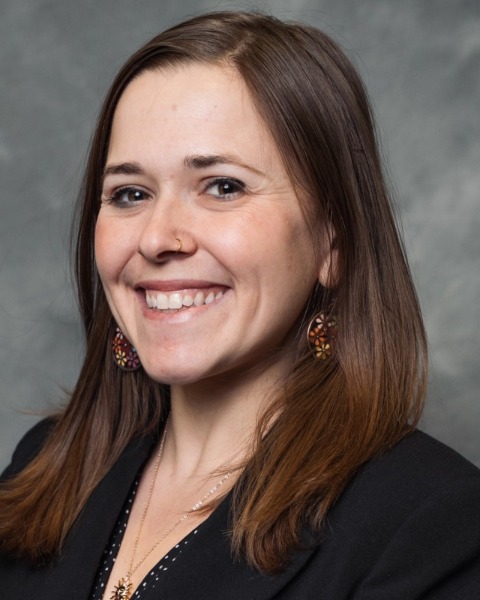
Rachel Ram, MPH, CHES: No relevant financial relationship(s) with ineligible companies to disclose.
Objectives: To describe how Community Health Centers are implementing Food Is Medicine (FIM) interventions and to assess early impacts on nutrition security and cardiometabolic health among people receiving care in low-income, medically underserved communities.
Methods: We conducted semi-structured interviews with Community Health Centers and Primary Care Associations participating in a multi-state Food Is Medicine initiative. Interviews explored implementation models, screening and referral workflows, partnership structures, evaluation strategies, and early outcome data. Transcripts were coded using an implementation science framework emphasizing integration, equity, and sustainability. Themes were analyzed across sites to identify common drivers and barriers.
Results: Centers reported increased screening for food insecurity and expanded use of standardized nutrition interventions including produce prescriptions, medically tailored groceries, and medically tailored meals. Many sites embedded referral pathways within electronic health records and partnered with food banks, farms, and payers to improve program reach. Early outcome data from participating centers indicate improved fruit and vegetable intake, reduced food insecurity, high patient engagement, and self-reported improvements in diet-related health behaviors. Key barriers included limited reimbursement mechanisms, data-sharing challenges, workforce capacity constraints, and inconsistent evaluation infrastructure.
Conclusions: Food Is Medicine interventions delivered through Community Health Centers show early promise in improving nutrition security and supporting cardiometabolic health among people facing structural barriers to healthy food access. Sustained financing and strengthened data systems may enhance program scalability and long-term health impact.
Funding Sources: This work was supported by a national initiative focused on integrating Food Is Medicine approaches into community health settings.