
Career and Professional Development
Clinical and Translational Nutrition
Community and Public Health Nutrition
Global Nutrition

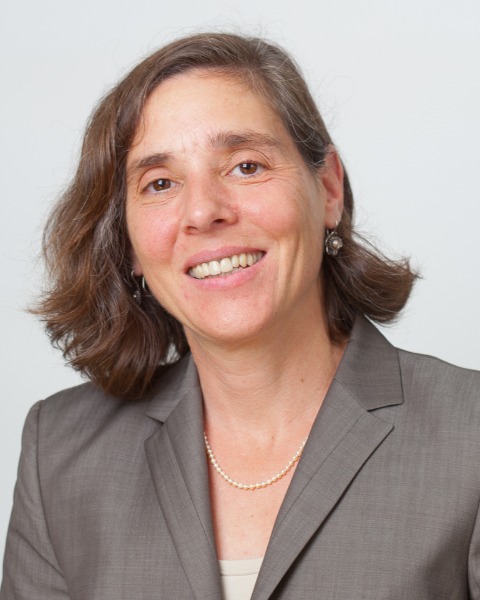
Lisa Troy, PhD
Associate Professor
University of Massachusetts Amherst, School of Public Health and Health Sciences
Amherst, Massachusetts, United States
Disclosure(s): No relevant financial relationship(s) with ineligible companies to disclose.
.jpg "Alison Steiber, PhD, RDN (she/her/hers) photo")
Alison Steiber, PhD, RDN (she/her/hers)
Chief Mission, Impact and Strategy Officer
Academy of Nutrition and Dietetics
Fort Collins, Colorado, United States
Disclosure(s): Administration for Community Living: Grant/Research Support (Ongoing)

William Hallman, PhD (he/him/his)
Distinguished Professor
School of Environmental and Biological Sciences, School of Human Ecology
Rutgers University
New Brunswick, New Jersey, United States
Disclosure(s): No relevant financial relationship(s) with ineligible companies to disclose.

Kevin Klatt, PhD, RD (he/him/his)
Assistant Professor
University of Toronto
Toronto, Ontario, Canada
Disclosure(s): American Society for Nutrition (ASN): Advisory Committee/Board Member (Ongoing)
Gates Foundation: Consultant (Ongoing)

Kris Sollid, RD (he/him/his)
Senior Director, Research & Consumer Insights
International Food Information Council
Baltimore, Maryland, United States
Disclosure(s): No relevant financial relationship(s) with ineligible companies to disclose.
Tamar Haspel (she/her/hers)
Columnist
The Washington Post
Marstons Mills, Massachusetts, United States
Disclosure(s): No relevant financial relationship(s) with ineligible companies to disclose.
The nutrition and public health communities are experiencing a misinformation crisis - characterized by information that asserts or implies claims that are inconsistent with the accepted scientific evidence - often delivered through digital media in a highly politicized environment. Misinformation about nutrition, food, and health is attributed to limited literacy about the scientific approach within a rapidly evolving digital media ecosystem. Misinformation threatens the credibility of trained professionals to deliver science-based messages in the public interest. This session will explore the changing communications landscape; analyze the nature of the creation, spread, and impact of false or misleading information influencing the public’s knowledge, attitudes and beliefs about nutrition and health; and offer resources, skills, and strategies to engage stakeholders and the public to build trust and effectively communicate facts with positive framing to counter science misinformation.
Chair: Lisa M. Troy, PhD – University of Massachusetts Amherst, School of Public Health and Health Sciences
Moderator: Alison L. Steiber, PhD, RDN (she/her/hers) – Academy of Nutrition and Dietetics
Speaker: William K. Hallman, PhD (he/him/his) – Rutgers University
Speaker: Kevin Klatt, PhD, RD (he/him/his) – University of Toronto
Speaker: Kris Sollid, RD (he/him/his) – International Food Information Council
Speaker: Tamar Haspel (she/her/hers) – The Washington Post
Chair: Lisa M. Troy, PhD – University of Massachusetts Amherst, School of Public Health and Health Sciences
Speaker: William K. Hallman, PhD (he/him/his) – Rutgers University
Speaker: Tamar Haspel (she/her/hers) – The Washington Post
Speaker: Kevin Klatt, PhD, RD (he/him/his) – University of Toronto
Moderator: Alison L. Steiber, PhD, RDN (she/her/hers) – Academy of Nutrition and Dietetics
Speaker: Kris Sollid, RD (he/him/his) – International Food Information Council
Moderator: Alison L. Steiber, PhD, RDN (she/her/hers) – Academy of Nutrition and Dietetics